
Views: 252 Author: Site Editor Publish Time: 2025-11-04 Origin: Site
Silicone sealant is among the widely used materials in construction, automotive, and home improvement projects. Its ability to bond, seal, and protect surfaces makes it indispensable for waterproofing joints, sealing gaps, and preventing moisture ingress. However, achieving optimal results with silicone sealant depends heavily on how well and how quickly it cures. The curing process determines its final strength, elasticity, and durability. One of the key critical factors influencing this process is humidity. Understanding how humidity affects the curing time of silicone sealant can help professionals and DIYers alike ensure that each application performs as intended.
Silicone sealant cures through a chemical reaction between the sealant’s base compounds and moisture in the surrounding air. Unlike some adhesives that dry by evaporation, silicone sealant undergoes a cross-linking process initiated by exposure to atmospheric humidity. When applied, the outer layer begins to react with water vapor, forming a durable rubber-like skin, which gradually extends inward until the entire bead is cured.
| Curing Mechanism | Description |
|---|---|
| Moisture Reaction | Silicone polymers react with moisture to form a flexible elastomer. |
| Surface Skinning | The outer layer cures initial, forming a protective skin. |
| Deep Curing | The reaction continues inward until the full thickness is cured. |
| Cure Rate Influencers | Temperature, humidity, sealant thickness, and air circulation. |
In simple terms, without adequate moisture, the sealant’s curing process slows dramatically or even halts. This makes humidity not just a contributing factor, but a key driver of curing performance.
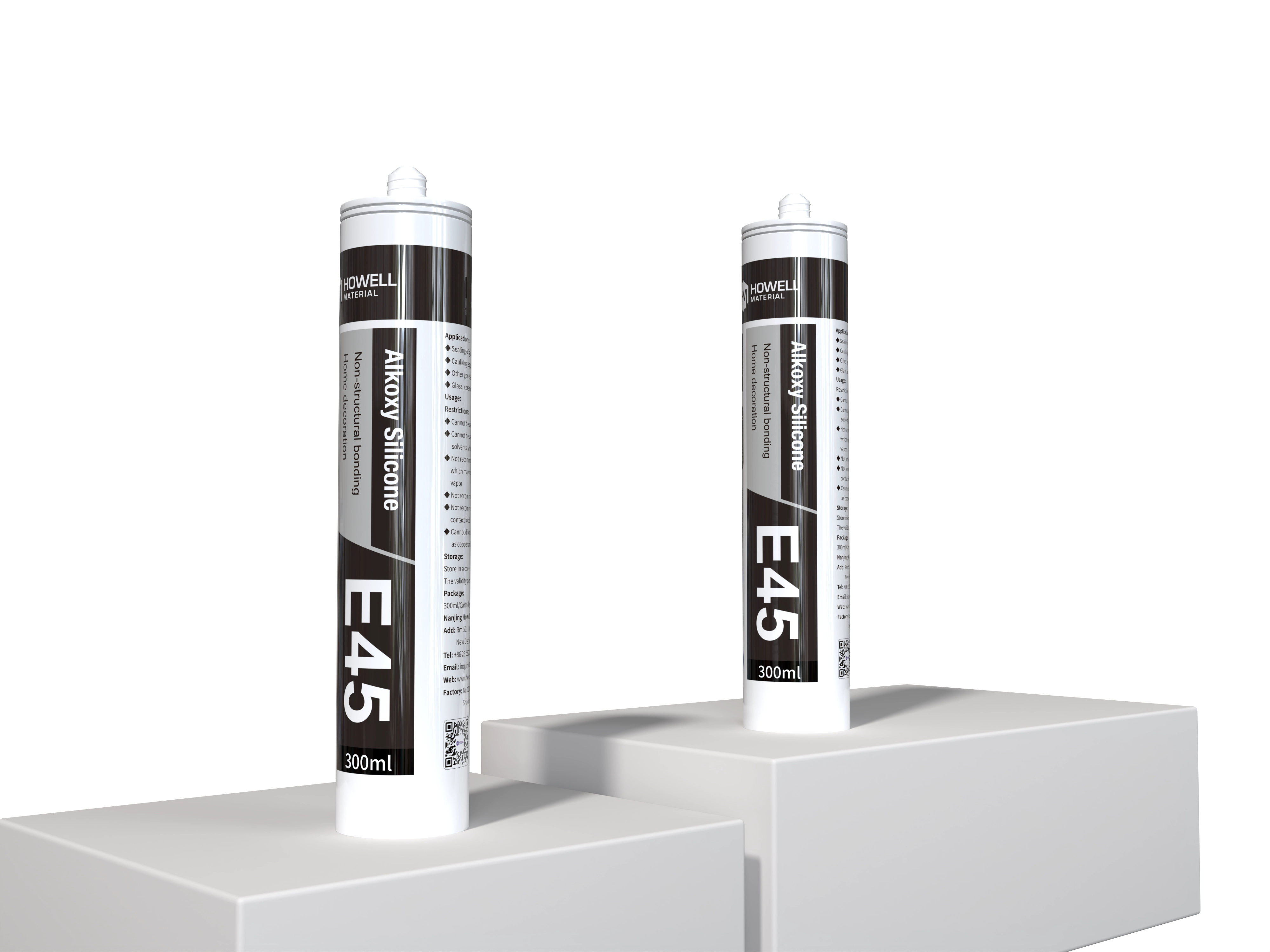
Humidity is the amount of water vapor present in the air. Since silicone sealants cure through moisture absorption, higher humidity levels generally accelerate the curing process. When relative humidity is high, the air contains more available water molecules that react with the sealant’s curing agents. As a result, the cross-linking reaction occurs more rapidly, and the surface “skins over” in a shorter time.
Conversely, in low-humidity environments, the curing process can take significantly longer. For example, in desert climates or during winter when indoor heating reduces air moisture, the silicone may remain tacky for several hours or even days.
| Condition | Relative Humidity (%) | Typical Cure Speed |
|---|---|---|
| Low Humidity (Dry) | 20–40% | Slow – may take 48–72 hours |
| Moderate Humidity | 40–60% | Normal – 24 hours typical |
| High Humidity | 60–90% | Fast – often cures within 12–18 hours |
Thus, yes, silicone sealant does cure faster in humid conditions — but only within optimal ranges. Extremely high humidity can sometimes cause surface curing too quickly, leading to incomplete internal curing.
While humidity accelerates curing, temperature also plays a major role. Silicone sealant cures optimal at moderate to warm temperatures (typically between 20°C and 30°C or 68°F to 86°F). At higher humidity levels, if the temperature is too low, the curing reaction slows despite the moisture. Conversely, very high temperatures with low humidity can cause uneven curing.
| Temperature (°C) | Humidity (%) | Estimated Full Cure Time |
|---|---|---|
| 10°C | 70% | 36–48 hours |
| 25°C | 70% | 12–18 hours |
| 35°C | 40% | 24–30 hours |
This interplay means the fastest curing environment for silicone sealant typically combines warm temperatures with moderate to high humidity. Balanced conditions ensure even curing throughout the bead, producing maximum strength and flexibility.
Professionals often need to manage curing times to fit project schedules. While high humidity naturally speeds up the process, uncontrolled moisture can sometimes cause issues like surface wrinkling or poor adhesion. Here are key techniques to optimize curing:
Use a hygrometer to measure ambient humidity. If levels are below 40%, consider introducing a humidifier or lightly misting the air near the application site (without soaking the sealant directly). For excessively humid environments, ensure good ventilation to prevent condensation buildup.
Thicker applications slow down deep curing because moisture cannot penetrate easily. Applying a consistent, moderate bead ensures uniform curing and prevents soft spots in the middle.
Airflow supports even distribution of moisture. Avoid sealing in enclosed, stagnant spaces without ventilation, as this can trap solvents and delay the curing process.
Not all silicone sealants respond identically to humidity. Some are neutral-cure (react with moisture to release alcohols or oximes), while others are acetoxy-cure (release acetic acid). Neutral-cure sealants tend to perform better in both high and low humidity environments.
Different silicone sealants exhibit varying curing behaviors based on their chemical formulation.
| Sealant Type | Curing Agent | Humidity Sensitivity | Common Applications |
|---|---|---|---|
| Acetoxy Cure | Acetic acid | High – cures quickly in humid air | Kitchens, bathrooms, glass bonding |
| Neutral Cure (Oxime) | Oxime compound | Moderate – steady curing under varied humidity | Metal, concrete, plastics |
| Alkoxy Cure | Alcohol release | Moderate to high humidity required | Electronics, glazing, sensitive substrates |
Acetoxy-cure silicones often show the clearest acceleration in humid conditions, making them ideal for interior spaces like bathrooms where ambient moisture is naturally high. Neutral-cure silicones are preferred in industrial or outdoor applications where humidity can fluctuate, providing consistent curing performance.
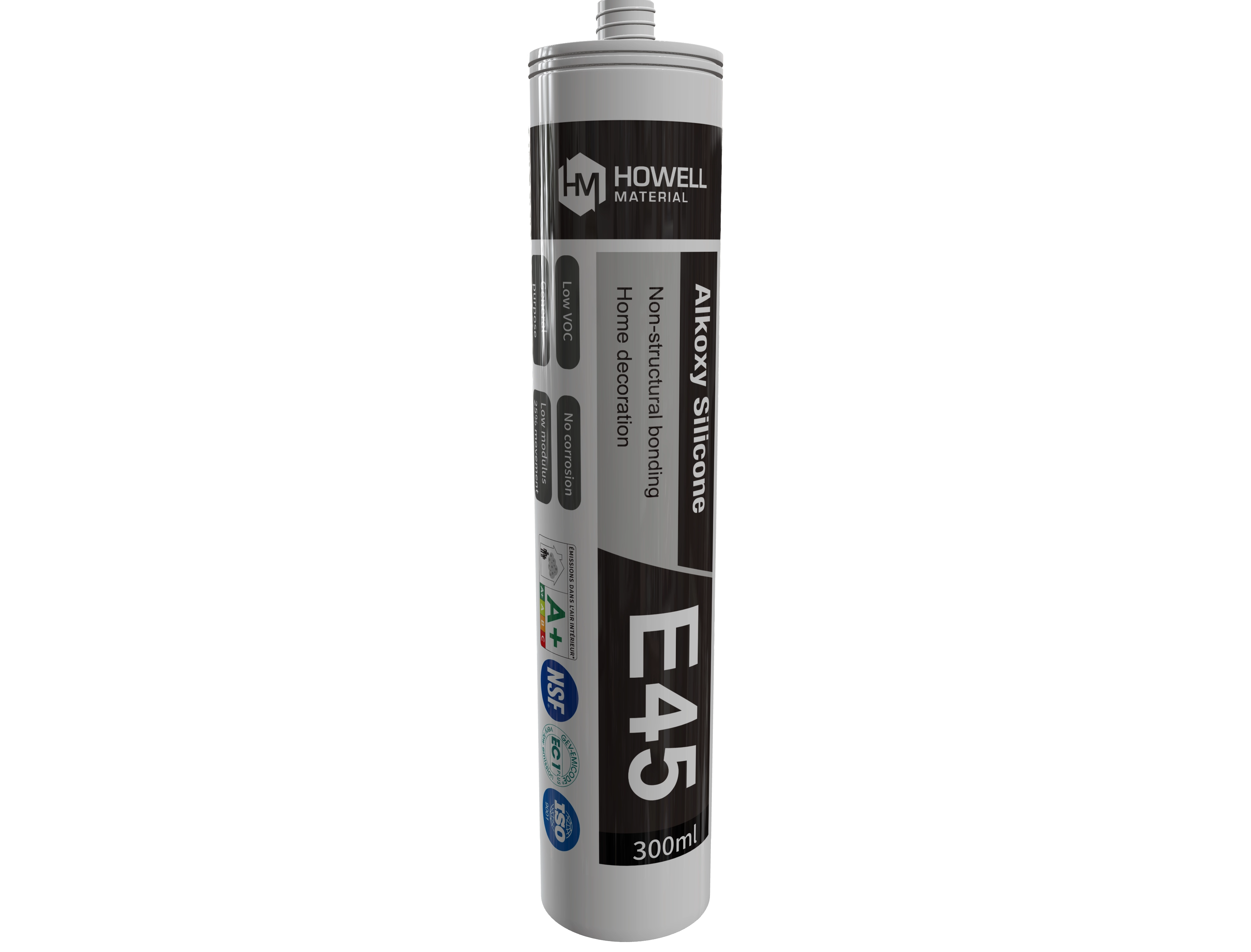
Although humidity aids curing, too much moisture can introduce complications. Understanding these potential issues helps maintain sealant integrity:
Surface Skinning Too Fast: Excess humidity can cause the outer layer to cure before internal sections are ready, trapping uncured silicone inside.
Bubbling or Blistering: If condensation forms on surfaces, trapped water can cause bubbles in the bead.
Adhesion Failure: On wet or damp substrates, sealant may not bond properly, leading to weak joints.
Discoloration or Streaking: Some formulations react with environmental moisture or materials, causing visible marks.
To prevent these problems, always ensure the substrate is clean, dry, and moisture-free before application, even if ambient humidity is high.
Unlike silicone, other sealant types rely on different curing mechanisms, which react differently to humidity.
| Sealant Type | Primary Curing Mechanism | Effect of Humidity | Curing Time |
|---|---|---|---|
| Silicone Sealant | Moisture-activated cross-linking | Faster with higher humidity | 12–48 hrs |
| Polyurethane Sealant | Moisture-reactive but slower | Moderate acceleration | 24–72 hrs |
| Acrylic Sealant | Water evaporation | Slower in high humidity | 48–96 hrs |
| Hybrid (MS Polymer) | Moisture-curing | Moderate influence | 24–48 hrs |
This comparison highlights silicone’s unique dependency and benefit from humid conditions. Where acrylic sealants slow down in high humidity, silicone thrives, making it ideal for environments like bathrooms, kitchens, or coastal areas.
Indoor Applications: Bathrooms, kitchens, and laundry rooms typically have ideal humidity levels (60–80%), allowing fast and consistent curing.
Outdoor Construction: Depending on the season, humidity may vary greatly. Morning dew or rain can accelerate surface curing but risk poor adhesion if applied to wet materials.
Cold Weather Environments: Even with adequate humidity, cold temperatures can drastically slow the chemical reaction. Warming the workspace slightly helps maintain curing efficiency.
Professionals often schedule sealing tasks during moderate weather conditions — not too dry, not too wet — to achieve the optimal balance between curing speed and quality.
1. Check Ambient Conditions: Record both temperature and relative humidity before application.
2. Use Manufacturer Guidelines: Different formulations specify optimal curing environments.
3. Avoid Over-Application: Deep joints cure slower; use backer rods or fillers to control depth.
4. Protect Fresh Sealant: Keep sealed joints free from direct water contact for at least 12–24 hours.
5. Inspect Curing Progress: A fully cured silicone feels firm yet elastic when gently pressed.
Following these steps ensures that your silicone sealant achieves maximum adhesion and elasticity while minimizing curing defects.
Silicone sealant indeed cures faster in humid conditions — but only up to an optimal point. Humidity provides the moisture necessary for the chemical cross-linking that transforms liquid sealant into a resilient, flexible barrier. In warm, moderately humid environments, this process accelerates significantly, producing durable joints within hours instead of days. However, excessive humidity, poor ventilation, or damp substrates can disrupt curing quality. The key to success lies in balancing temperature, humidity, and application technique to ensure even, reliable curing every time.
1. What is the ideal humidity level for curing silicone sealant?
The optimal relative humidity range is between 50% and 70%, where curing occurs efficiently without causing surface or internal issues.
2. Can silicone sealant cure in very dry conditions?
Yes, but the process is much slower. You can lightly increase ambient humidity or use a humidifier to speed up curing.
3. Does temperature affect curing speed as much as humidity?
Both factors are critical. High humidity with moderate warmth ensures the fastest, consistently even cure. Low temperatures can still slow down curing even if humidity is high.
4. How long should I wait before exposing cured silicone to water?
Generally, wait at least 24 hours before exposing the cured silicone to water. Some fast-curing products may allow this sooner, depending on humidity.
5. Can high humidity cause the silicone to fail?
Excessive humidity can lead to surface skinning too quickly, potentially trapping uncured material inside. Always apply in conditions with good airflow and avoid direct condensation.


