
Views: 252 Author: Site Editor Publish Time: 2025-11-01 Origin: Site
Silicone sealant plays a critical role in construction, plumbing, automotive repair, and DIY projects. It’s a flexible, waterproof, and durable adhesive that bonds and seals a wide range of materials—from glass and ceramic to metal and plastic. However, even though silicone sealant starts to skin over within minutes, full curing takes much longer. Understanding the curing timeline is essential for achieving optimal adhesion, preventing leaks, and ensuring the longevity of your work. This article explores the exact factors that influence how long silicone sealant takes to cure, how to speed up the process safely, and how to determine when it’s fully cured.
Silicone sealant cures through a chemical reaction that occurs when it’s exposed to moisture in the air. This process transforms the liquid or paste-like sealant into a solid, rubbery material that’s both flexible and resistant to heat, water, and chemicals.
The curing process happens in two main stages:
Skin Formation (Tack-Free Time): This is when the outer layer becomes dry to the touch. It usually happens within 5–30 minutes.
Full Cure: This is when the sealant hardens completely throughout, forming a permanent bond. Depending on the formulation and environmental conditions, full curing can take anywhere from 24 hours to 7 days.
The following table outlines typical curing times for common types of silicone sealant:
| Type of Silicone Sealant | Skin Formation Time | Full Cure Time | Ideal Application Areas |
|---|---|---|---|
| Acetoxy Cure Silicone | 10–20 minutes | 24–48 hours | Bathrooms, glass, ceramics |
| Neutral Cure Silicone | 15–30 minutes | 48–72 hours | Metals, concrete, plastics |
| High-Temperature Silicone | 20–40 minutes | 72–96 hours | Automotive, industrial |
| Marine-Grade Silicone | 10–25 minutes | 3–7 days | Boats, aquariums, outdoor joints |
While most silicone sealants list a general curing period on their packaging, real-world conditions can greatly affect this timeline. Below are the major factors influencing how long silicone sealant takes to cure:
Curing accelerates in warmer temperatures. Ideally, silicone sealant cures best between 20°C–30°C (68°F–86°F). At low temperatures, especially below 10°C (50°F), curing can slow dramatically, sometimes taking several additional days.
Moisture in the air is essential for silicone to cure. Low humidity means fewer water molecules are available for the curing reaction. Environments with 40%–60% relative humidity are optimal. Dry climates or sealed indoor spaces often delay full curing.
A thin bead cures faster than a thick application. Deep gaps or joints exceeding 12 mm (½ inch) in depth take longer because the inner layer is less exposed to air moisture.
Certain materials, such as glass and metal, allow faster curing due to their non-porous nature. Porous materials like wood or concrete may absorb some of the moisture, slowing down the reaction.
Each formulation has its own curing chemistry. Acetoxy silicones cure faster but can release acetic acid, which may corrode metals. Neutral cure versions are slower but safer for a wider range of materials.
Determining whether your silicone sealant is fully cured is crucial before exposing it to water, pressure, or heat. Here are some reliable ways to check:
Touch Test: Lightly press the surface with a clean finger. If it’s tack-free and rubbery, the outer layer has skinned. However, this doesn’t guarantee internal curing.
Time Benchmark: Always follow manufacturer recommendations and allow at least 24–48 hours before moderate use, and up to 7 days for full cure under challenging conditions.
Visual Inspection: A glossy, even surface that doesn’t deform easily indicates proper curing.
Odor Dissipation: Many silicone sealants emit a vinegar-like smell during curing. Once the odor fades completely, it’s typically a sign that curing has finished.
When project timelines are tight, waiting several days for curing may not be feasible. Fortunately, there are safe ways to speed up silicone sealant curing without compromising strength:
| Method | How It Works | Precautions |
|---|---|---|
| Increase Temperature | Warm air accelerates chemical reaction | Keep below 40°C (104°F) to avoid degradation |
| Add Humidity | Use a humidifier or mist water nearby | Avoid direct water spray on fresh sealant |
| Use a Thinner Bead | More air exposure leads to faster cure | Ensure joint is still adequately filled |
| Choose Fast-Cure Silicone | Formulated for rapid hardening | Check compatibility with materials |
Avoid using external heat sources like blow dryers or open flames, as they can cause bubbles or uneven curing. The best approach is to control environmental factors gradually.
Understanding how silicone compares with other sealants can help you select the best material for your application. Below is a quick comparison:
| Sealant Type | Typical Full Cure Time | Key Properties |
|---|---|---|
| Silicone Sealant | 24–72 hours | Flexible, waterproof, durable |
| Polyurethane Sealant | 5–10 days | Strong adhesion, paintable |
| Acrylic Latex Sealant | 12–24 hours | Easy to clean, indoor use |
| Butyl Rubber Sealant | 2–3 days | Excellent weather resistance |
From this comparison, it’s clear that silicone sealant offers a balance between curing speed and long-term durability, making it ideal for most household and industrial sealing tasks.
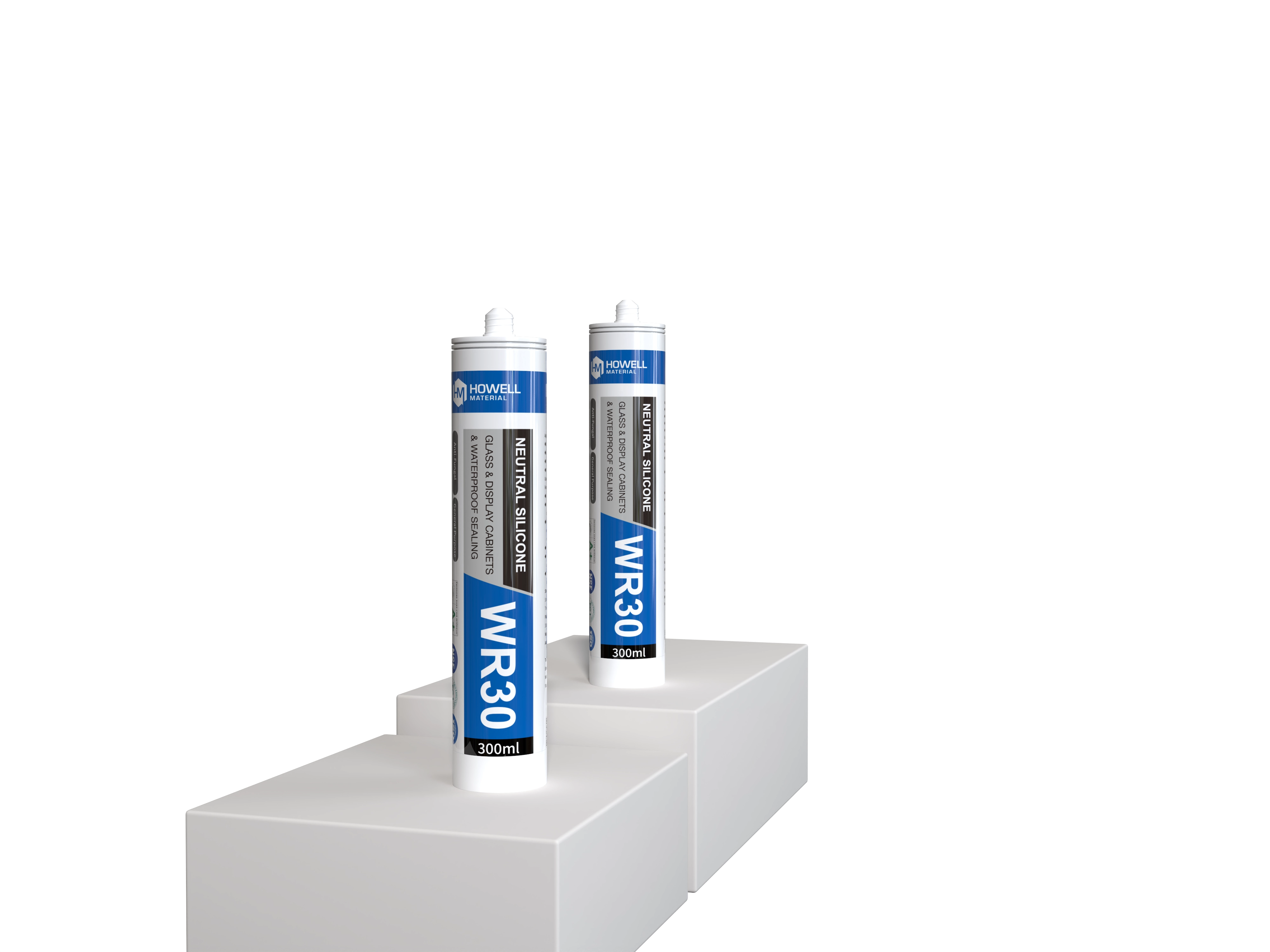
Even with the right conditions, improper handling can delay curing or weaken the seal. Avoid these common mistakes:
Overapplication traps moisture and delays curing deep inside the joint. Always follow manufacturer recommendations for bead size.
Dirty, oily, or damp surfaces interfere with adhesion. Clean thoroughly and dry completely before applying silicone sealant.
Old sealant loses its chemical reactivity and may never cure properly. Always check expiration dates.
Using the sealed area before full curing can cause separation, bubbles, or incomplete bonding.
Exposing sealant tubes to extreme heat or humidity before use can degrade the product and affect curing performance.
To ensure that your silicone sealant cures correctly and forms a lasting bond, follow these best practices:
Surface Preparation: Clean the surface using alcohol or an appropriate solvent to remove dust, grease, and debris.
Proper Application Temperature: Apply silicone sealant between 5°C–35°C (41°F–95°F) for best curing results.
Consistent Bead Size: Maintain even application to avoid trapped air pockets.
Tooling Immediately After Application: Smooth the bead within 5–10 minutes before it starts to skin.
Allow Adequate Curing Time: Wait at least 24 hours before exposing the seal to water or mechanical stress.
Avoid Overpainting: Most silicone sealants are not paintable; instead, choose a color that matches your surface.
Real-world conditions vary widely, so it’s useful to consider average curing times across typical applications:
| Application Area | Average Curing Time | Notes |
|---|---|---|
| Bathroom Joints | 24–48 hours | Ensure adequate ventilation |
| Kitchen Countertops | 24–72 hours | Avoid contact with water and grease |
| Outdoor Windows | 48–96 hours | Depends on weather and humidity |
| Automotive Engines | 72–120 hours | Requires heat-resistant silicone |
| Aquariums | 5–7 days | Must be fully cured before water exposure |
These benchmarks help you plan project schedules more effectively and avoid premature use that can compromise results.
Silicone sealant is a versatile and reliable solution for sealing, bonding, and protecting surfaces across various industries. While it begins to set quickly, full curing typically takes between 24 hours and 7 days, depending on factors such as temperature, humidity, sealant type, and application thickness. Proper preparation, patience, and optimal curing conditions are essential for a strong, long-lasting seal. By understanding and controlling these variables, you ensure that your silicone sealant performs exactly as intended—providing durability, waterproofing, and flexibility for years to come.
1. Can silicone sealant cure underwater?
No. Silicone sealant requires exposure to air moisture to cure properly. While some marine-grade silicones are waterproof once cured, they cannot cure effectively underwater.
2. How can I tell if my silicone sealant is cured?
If the surface is firm, rubbery, and odor-free after 24–72 hours, it’s likely cured. However, for deep joints, wait at least 5–7 days before exposure to water or stress.
3. Can I speed up silicone curing with a heat gun?
It’s not recommended. Excess heat can cause the sealant to bubble or degrade. Instead, slightly increase ambient temperature and humidity for faster curing.
4. Does silicone sealant cure faster in humid conditions?
Yes. Silicone relies on moisture to cure, so moderate humidity (around 50%) accelerates the process, while extremely dry conditions slow it down.
5. What happens if silicone sealant doesn’t cure properly?
Uncured sealant may remain sticky, weak, or peel away from the surface. In such cases, remove it completely, clean the area, and reapply a fresh, properly stored sealant.


