
Views: 220 Author: Site Editor Publish Time: 2025-11-22 Origin: Site
Fiberglass tissue has become a critical reinforcement material across multiple industries, valued for its ability to enhance mechanical strength, durability, and surface quality. Unlike woven fiberglass fabrics or chopped strands, fiberglass tissue—sometimes called fiberglass mat or veil—provides a thin, uniform, and highly flexible layer that bonds easily with resins and other composite materials. It is widely used in construction, roofing, filtration, automotive, and pipeline protection applications due to its unique combination of light weight, corrosion resistance, and surface smoothness. Understanding where fiberglass tissue delivers the most value is essential for engineers, manufacturers, and specifiers who want to optimize performance and cost-efficiency in composite manufacturing.
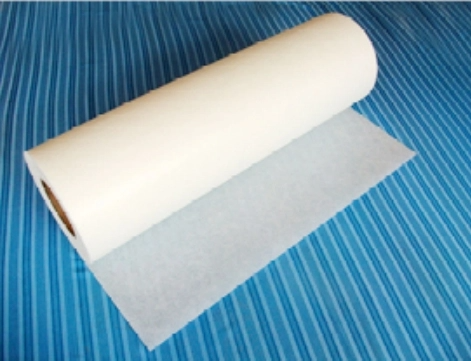
Fiberglass tissue is a non-woven material made from randomly distributed glass fibers bonded together by a resin binder. It typically comes in thin rolls with various weights and densities, offering flexibility and consistent distribution of strength.
| Property | Description | Benefit in Application |
|---|---|---|
| Weight (gsm) | Typically 20–100 gsm | Adapts to different lamination layers |
| Binder Type | Urea-formaldehyde, acrylic, or polyester | Determines compatibility with resin systems |
| Porosity | High | Allows resin impregnation and good adhesion |
| Surface Smoothness | Excellent | Improves finish quality of laminates |
These attributes make fiberglass tissue an essential surfacing layer in many composite systems. Its main role is not only to reinforce but also to improve surface aesthetics, corrosion resistance, and waterproofing performance. Its ability to conform to complex shapes and its low resin consumption make it a cost-effective reinforcement layer compared to heavier fabrics.
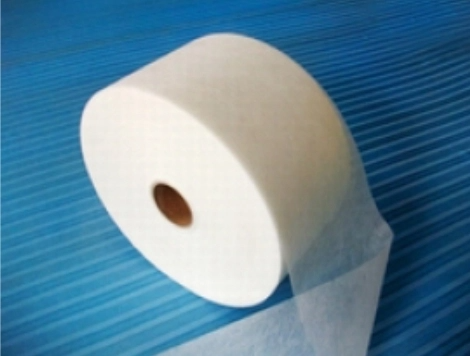
Roofing applications are among the most significant markets for fiberglass tissue. It serves as both reinforcement and carrier material in bitumen membranes, asphalt shingles, and waterproof coatings.
In modified bitumen roofing membranes, fiberglass tissue improves dimensional stability and tear strength while maintaining flexibility under temperature fluctuations. The tissue acts as a substrate that absorbs bitumen uniformly, ensuring consistent waterproofing performance. Additionally, it prevents shrinkage and cracking over time—a common problem with organic felts.
| Application Type | Fiberglass Tissue Role | Key Advantages |
|---|---|---|
| Bitumen Sheets | Reinforcement and carrier | Dimensional stability, anti-aging |
| Liquid-Applied Membranes | Reinforcing mat | Improved tensile strength, crack resistance |
| Asphalt Shingles | Base layer | Enhanced heat resistance, long lifespan |
Because fiberglass tissue does not rot, absorb moisture, or support fungal growth, it significantly extends the service life of roofing systems. It also improves compatibility with various adhesives and resins, ensuring easier installation and better adhesion to substrates like concrete, wood, or steel.
In architectural interiors, fiberglass tissue plays a valuable role in enhancing the strength, appearance, and durability of walls and ceilings. When laminated or coated, it creates a seamless surface resistant to cracking and impact.
Used beneath decorative paints or coatings, fiberglass tissue reinforces plaster or drywall, preventing hairline cracks caused by thermal expansion or structural movement. It also adds a smooth finish and helps control moisture vapor diffusion, making it ideal for both residential and commercial interiors.
There are two main types of fiberglass tissue used in wall applications:
| Type | Main Use | Benefits |
|---|---|---|
| Surface Tissue | Applied under paint or plaster | Crack resistance, smooth finish |
| Laminate Tissue | Used within composite panels | Dimensional stability, uniform bonding |
This reinforcement layer improves surface aesthetics and extends repainting cycles, reducing maintenance costs. In hospitals, schools, and public buildings, fiberglass tissue also contributes to fire resistance and low-VOC finishes, supporting sustainable design standards.
Fiberglass tissue is indispensable in the production of FRP products such as panels, pipes, and profiles. It acts as a surfacing veil that enhances the finish quality of composites and provides an additional barrier against corrosion and chemical attack.
In hand lay-up or filament winding processes, fiberglass tissue is typically applied as the outermost layer before curing. This ensures a resin-rich, smooth surface, minimizing print-through from coarser glass mats and improving the product’s UV resistance and paint adhesion.
Advantages of using fiberglass tissue in FRP laminates include:
Improved corrosion resistance in chemical environments
Enhanced resistance to micro-cracking under stress
Superior gloss and surface smoothness for aesthetic applications
Reduced resin consumption due to uniform impregnation
These characteristics make fiberglass tissue particularly valuable in industries such as marine, automotive, and infrastructure, where composite components must maintain both mechanical integrity and a flawless surface finish.
One of the most demanding environments for composite materials is underground or submerged pipeline systems. Here, fiberglass tissue serves as a protective layer within corrosion-resistant coatings, wrapping systems, or glass-reinforced epoxy (GRE) pipes.
When combined with resins such as epoxy or polyester, fiberglass tissue forms a durable outer shell that resists moisture, soil chemicals, and mechanical abrasion. It enhances the adhesion between coating layers and provides a smooth, uniform outer surface that simplifies inspection and reduces drag in fluid transport applications.
| Pipeline Component | Function of Fiberglass Tissue | Outcome |
|---|---|---|
| GRE Pipes | Surface veil | Corrosion barrier and improved aesthetics |
| Wrapping Systems | Reinforcement layer | Enhanced bonding, reduced delamination |
| Protective Coatings | Interface layer | Increased impact and chemical resistance |
By preventing micro-cracks and delamination in coating systems, fiberglass tissue significantly extends pipeline lifespan and lowers maintenance costs, especially in oil, gas, and water infrastructure projects.
The automotive industry increasingly uses fiberglass composites to reduce vehicle weight without compromising strength. Fiberglass tissue contributes by improving the surface quality and durability of molded components.
Applied as a surface veil in SMC (Sheet Molding Compound) or BMC (Bulk Molding Compound) parts, fiberglass tissue ensures that visible panels—such as hoods, body panels, and interior trims—have a defect-free finish. It also provides reinforcement for headliners, noise-insulation mats, and heat-resistant barriers.
Key benefits in automotive applications:
Enhanced paintability and surface gloss
Resistance to vibration-induced micro-cracks
Improved acoustic and thermal insulation
Compatibility with lightweight composite systems
The result is not only improved performance but also greater design flexibility, allowing manufacturers to achieve complex geometries and high-quality finishes in a cost-effective way.
Fiberglass tissue also proves valuable in filtration systems, where its fine fiber structure and high porosity offer excellent particulate capture and chemical stability. It is commonly used in:
Air filtration in HVAC systems
Battery separators
Industrial liquid filters
Dust collection and gas filtration units
In these applications, fiberglass tissue provides dimensional stability under high temperature and chemical exposure. Its low airflow resistance and consistent pore structure improve filtration efficiency while maintaining durability even in corrosive environments.
When coated or impregnated with resins, fiberglass tissue can also serve as a support layer in catalytic filters or as a carrier for activated carbon particles, expanding its industrial utility.
As sustainability becomes central to modern construction and energy systems, fiberglass tissue’s thermal and electrical insulation properties have become increasingly valuable. It is used in insulation panels, wind turbine blades, and electrical laminates where dimensional stability and dielectric strength are critical.
In insulation materials, fiberglass tissue binds with mineral wool or foam boards to create composite structures that resist fire, moisture, and deformation. In wind energy, it improves the surface finish and fatigue resistance of turbine blades, supporting long-term performance under dynamic stress.
Energy-related advantages of fiberglass tissue:
Improved thermal stability up to 550°C
Non-combustible and resistant to UV degradation
Excellent dielectric properties for electrical systems
Lightweight and easy to handle during installation
These attributes make fiberglass tissue a strategic component for manufacturers aiming to produce high-efficiency, long-lasting energy solutions.
Fiberglass tissue stands out as a multifunctional material that enhances both the structural and surface performance of composites across diverse industries. From roofing membranes and interior wall coverings to FRP laminates, pipelines, and automotive parts, it consistently delivers value through its reinforcement, protection, and aesthetic benefits.
Its balance of lightweight construction, corrosion resistance, and ease of processing makes fiberglass tissue indispensable wherever strength, smoothness, and durability are priorities. As industries continue to evolve toward more sustainable, high-performance materials, the versatility of fiberglass tissue ensures its role will only grow in importance.
1. What distinguishes fiberglass tissue from fiberglass mat?
Fiberglass tissue consists of finer, evenly distributed fibers that create a smoother surface and better resin flow. In contrast, fiberglass mat has coarser fibers for higher structural strength but less surface refinement.
2. Is fiberglass tissue suitable for high-temperature environments?
Yes. Depending on the glass composition, fiberglass tissue can withstand temperatures up to 550°C, making it ideal for insulation and industrial applications.
3. How does fiberglass tissue improve corrosion resistance?
It acts as a resin-rich barrier layer that seals the surface of composites, preventing chemical penetration and micro-crack formation in harsh environments.
4. Can fiberglass tissue be used in DIY or small-scale projects?
Absolutely. It is easy to cut, shape, and apply, making it useful for hobbyist projects involving small repairs, molds, or waterproofing tasks.
5. What are the environmental benefits of fiberglass tissue?
Fiberglass tissue extends the service life of structures, reducing waste and maintenance frequency. Many modern products are also made using formaldehyde-free binders to support eco-friendly production.


