
Views: 260 Author: Site Editor Publish Time: 2025-11-15 Origin: Site
In industrial composites and surface reinforcement applications, fiberglass products play a crucial role in enhancing strength, finish quality, and durability. However, confusion often arises between two common materials — fiberglass tissue and fiberglass mat. Although both are made from glass fibers and used in reinforcement processes, they differ in structure, function, and application. Understanding these differences is vital for engineers, manufacturers, and DIY builders seeking optimal performance in fiberglass-reinforced systems. This article explores these distinctions in depth, clarifying how fiberglass tissue compares with fiberglass mat in composition, usage, and performance characteristics.
Fiberglass tissue is a thin, lightweight non-woven fabric made from randomly oriented glass fibers bonded with a small amount of resin binder. It is primarily used as a surface layer in composites to improve smoothness, prevent print-through of underlying reinforcement patterns, and provide superior corrosion resistance. Unlike woven fabrics, fiberglass tissue has a paper-like texture that ensures uniform coverage and smooth finishing on surfaces.
Typical glass fiber diameters in fiberglass tissue range from 8 to 13 microns, producing a fine texture ideal for surface lamination. The binder content, usually around 8–12%, maintains integrity during handling while allowing resin penetration during lamination. Fiberglass tissue is frequently employed in the FRP (Fiber-Reinforced Plastic) industry for pipes, tanks, roofing panels, and insulation layers where surface appearance and resistance to environmental factors matter most.
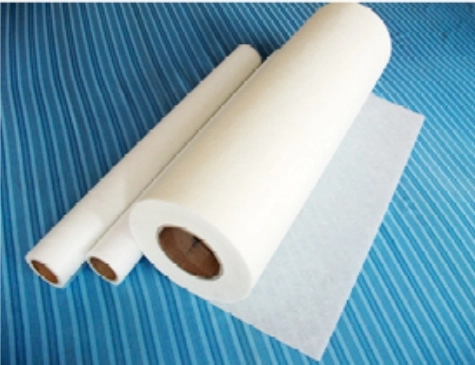
Fiberglass mat, also known as chopped strand mat (CSM), is made from randomly distributed chopped glass strands held together by a resin binder or emulsion. It is thicker, heavier, and stronger than fiberglass tissue, designed primarily for mechanical reinforcement rather than surface finishing.
In fiberglass mat, strand lengths typically measure 25–50 mm, and the mat weight can vary from 225 g/m² to 900 g/m², depending on strength requirements. Because of its bulk and strand structure, fiberglass mat enhances the composite’s tensile and impact strength, making it ideal for structural layers in boat hulls, automotive parts, and FRP laminates.
| Property | Fiberglass Tissue | Fiberglass Mat |
|---|---|---|
| Fiber orientation | Random, very fine fibers | Random, chopped strands |
| Thickness | Very thin (≤0.5 mm) | Thicker (≥0.8 mm) |
| Function | Surface finishing, corrosion barrier | Structural reinforcement |
| Resin absorption | High, smooth wet-out | Moderate to high |
| Common applications | Pipes, tanks, roofing, insulation | Boats, panels, automotive parts |
This structural comparison highlights that while both materials originate from glass fibers, their intended roles differ significantly — one for finish, the other for strength.
Both fiberglass tissue and fiberglass mat undergo distinct manufacturing processes that define their performance characteristics.
Fiber Formation: Molten glass is drawn into ultra-fine filaments.
Web Formation: The filaments are dispersed randomly on a moving belt to create a uniform non-woven layer.
Binder Application: A resin binder (commonly urea-formaldehyde or polyester) is sprayed or applied to hold the fibers.
Drying and Curing: The sheet passes through heated rollers to cure the binder and form a stable roll of fiberglass tissue.
Chopping: Continuous glass roving is chopped into short strands.
Distribution: These strands are randomly distributed on a conveyor belt.
Binding: A binder or emulsion agent is applied to interlock the strands.
Curing: The mat is dried and cured to form a stable sheet.
| Step | Fiberglass Tissue | Fiberglass Mat |
|---|---|---|
| Fiber type | Continuous microfibers | Chopped strands |
| Binder | Light (8–12%) | Moderate (15–20%) |
| Product form | Rolls (lightweight) | Rolls or sheets (heavier) |
| Texture | Smooth, paper-like | Coarse, fibrous |
The fine control over fiber size and binder content makes fiberglass tissue ideal for surface finishing, while the robust structure of fiberglass mat offers mechanical integrity.
When selecting between fiberglass tissue and fiberglass mat, performance under real-world conditions becomes the key differentiator.
Fiberglass tissue provides a uniform surface that conceals print-through patterns from coarse reinforcements like woven roving or chopped strand mat.
Fiberglass mat, being thicker, may leave visible patterns or texture marks if used directly under a gel coat.
Fiberglass mat contributes more to impact resistance and load-bearing capacity due to its denser strand configuration.
Fiberglass tissue, while not strong on its own, enhances interlaminar bonding and surface durability when used as an outermost layer.
The fine fibers in fiberglass tissue create a dense barrier against chemicals and moisture, making it ideal for anti-corrosion linings in chemical tanks and pipelines.
Fiberglass mat offers moderate resistance, depending on resin type and lamination thickness.
Fiberglass tissue is significantly lighter, allowing improved weight control in applications demanding surface finish without adding bulk.
Fiberglass mat is heavier, suitable for layers where weight adds necessary rigidity.
The two materials complement each other in multilayer composite structures. The following table outlines their common uses in industrial contexts:
| Application Area | Fiberglass Tissue Usage | Fiberglass Mat Usage |
|---|---|---|
| FRP pipes and tanks | Inner corrosion barrier layer | Structural strength layer |
| Roofing materials | Surface veil for UV and water resistance | Reinforcement under asphalt or resin |
| Boat construction | Smooth finishing layer before gel coat | Hull reinforcement |
| Insulation | Vapor barrier and fire protection | Base reinforcement in rigid panels |
| Automotive parts | Surface lamination for gloss | Structural reinforcement in panels |
In most composite fabrication processes, fiberglass tissue and mat are used together, with tissue forming the outer surface layer and mat providing bulk reinforcement beneath.
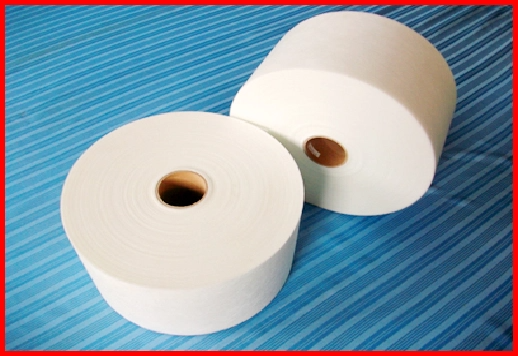
Integrating fiberglass tissue into composite structures offers multiple technical and aesthetic benefits:
Enhanced Surface Smoothness: Eliminates visible patterns from underlying materials.
Improved Resin Compatibility: Ensures even resin distribution during lamination.
Superior Chemical Resistance: Acts as a barrier against corrosion in harsh environments.
Lightweight Design: Adds minimal weight while improving surface quality.
Reduced Cracking and Delamination: Distributes stress evenly across the surface layer.
Ease of Handling: Flexible and easy to cut for complex contours or curved surfaces.
When applied correctly, fiberglass tissue can transform a structurally strong but rough composite into a visually appealing, durable, and corrosion-resistant product.
Choosing between fiberglass tissue and fiberglass mat depends on project goals, surface quality requirements, and mechanical performance needs.
The surface appearance is critical (e.g., glossy finishes).
The application involves chemical exposure or water immersion.
Weight reduction and flexibility are required.
The structure must bear mechanical loads.
Multiple reinforcement layers are laminated for rigidity.
Cost-effective bulk strength is a priority.
For optimal performance, many fabricators use a hybrid layering approach — placing fiberglass tissue as the surface veil and fiberglass mat beneath to balance strength and finish.
A prevalent misunderstanding in the composites industry is assuming that fiberglass tissue and mat serve the same purpose because both are non-woven glass products. This misconception can lead to improper material selection and performance issues.
Myth: Both provide the same reinforcement.
Reality: Tissue enhances surface finish; mat provides bulk strength.
Myth: Fiberglass tissue is unnecessary if mat is used.
Reality: Without tissue, composites may suffer from visible texture and reduced corrosion resistance.
Myth: They absorb resin equally.
Reality: Tissue absorbs resin more uniformly, improving adhesion and finish quality.
Recognizing these distinctions helps manufacturers and engineers select materials with precision, ensuring optimal product quality and cost efficiency.
Fiberglass tissue is not the same as fiberglass mat. While both are made from glass fibers, their differences in structure, thickness, and purpose make them suitable for distinct functions. Fiberglass tissue enhances the surface aesthetics, chemical resistance, and smoothness of composite products, while fiberglass mat contributes to mechanical strength and durability. For high-quality FRP manufacturing, using both in complementary layers delivers the best results — tissue for finish, mat for strength.
Selecting the right material combination ensures longevity, reduced maintenance, and superior performance in applications ranging from chemical storage to marine and construction industries.
1. Can fiberglass tissue replace fiberglass mat in reinforcement?
No. Fiberglass tissue lacks the structural thickness and strand density needed for mechanical strength. It should be used for surface finishing, not primary reinforcement.
2. Is fiberglass tissue waterproof?
Fiberglass tissue itself is not inherently waterproof, but when combined with resin systems, it forms an effective moisture and corrosion barrier ideal for waterproofing applications.
3. Can fiberglass tissue and mat be used together?
Yes. This combination is standard in FRP manufacturing. Fiberglass tissue is applied on the outer surface to achieve smooth finishes, while fiberglass mat is layered beneath for structural integrity.
4. Does fiberglass tissue improve adhesion between layers?
Absolutely. Fiberglass tissue provides excellent resin penetration and bonding, enhancing interlaminar adhesion between successive reinforcement layers.
5. What is the typical weight of fiberglass tissue?
Standard fiberglass tissue typically ranges from 20 g/m² to 100 g/m², depending on the manufacturer and intended application.


