Views: 263 Author: Site Editor Publish Time: 2025-11-11 Origin: Site
Fiberglass tissue is a highly versatile material used across industries that require durability, chemical resistance, and smooth finishing. Commonly applied in construction, waterproofing, roofing, and composite manufacturing, fiberglass tissue provides reinforcement and surface improvement to a wide range of substrates. This article explores what fiberglass tissue is, how it is made, its different types, applications, and the unique benefits that make it an essential material for industrial and architectural use.
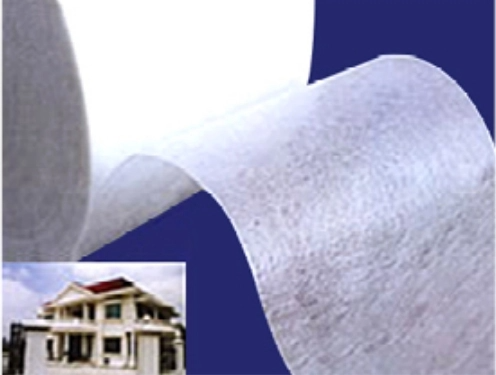
Fiberglass tissue, sometimes called glass fiber tissue or fiberglass veil, is a thin, non-woven mat composed of randomly oriented glass fibers bonded together with a small amount of resin binder. Unlike woven fiberglass fabrics, which are designed for structural strength, fiberglass tissue is engineered to provide surface smoothness, resin flow control, and chemical protection.
This material is typically produced using E-glass or C-glass fibers, each chosen for specific performance properties. The tissue’s lightweight structure allows it to conform to complex shapes, making it suitable for laminating or surface finishing applications in composite manufacturing.
| Type of Glass | Key Characteristics | Common Use |
|---|---|---|
| E-glass | Excellent electrical insulation, good tensile strength | Electrical and composite materials |
| C-glass | Superior chemical resistance | Surface protection and waterproofing layers |
The production process of fiberglass tissue begins with molten glass that is extruded into fine filaments. These filaments are randomly dispersed to form a uniform web and then bonded with a resin binder—commonly a urea-formaldehyde or acrylic type. The bonding ensures the fibers remain stable while maintaining flexibility.
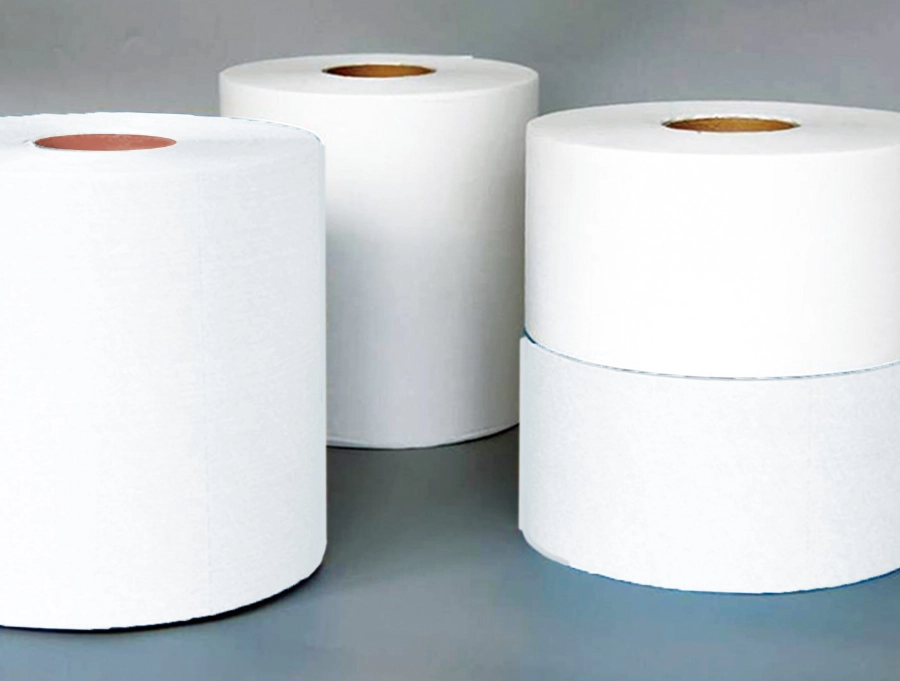
After the web is bonded, it undergoes several finishing steps, such as drying, heat treatment, and cutting to standard roll sizes. Depending on the final application, the tissue’s weight, binder type, and density can be customized to meet different performance requirements.
| Production Step | Description |
|---|---|
| Fiber Formation | Molten glass drawn into filaments |
| Web Formation | Fibers randomly oriented and layered |
| Binder Application | Resin added for bonding and stability |
| Curing & Cutting | Dried, cured, and rolled for shipment |
Fiberglass tissue is valued for its combination of mechanical stability, resistance properties, and ease of application. Below are the defining characteristics that make it a preferred reinforcement layer.
Because glass fibers have a low coefficient of thermal expansion, fiberglass tissue maintains its shape even under temperature variations. This ensures long-term dimensional integrity in laminated products.
C-glass based fiberglass tissue provides excellent resistance against acids, alkalis, and moisture—making it ideal for waterproofing membranes and chemical tanks.
The fine, uniform fibers of fiberglass tissue produce a smooth surface when used as a top layer in laminates, preventing print-through from coarse reinforcements below.
Despite being strong, fiberglass tissue is lightweight, allowing easy handling and application around curves or irregular shapes without cracking.
Different forms of fiberglass tissue are designed to meet the performance demands of diverse industries. Each type offers unique benefits tailored to its intended function.
Used primarily in composites, surface tissue enhances surface finish and corrosion resistance. It is commonly applied in FRP (fiber-reinforced plastic) panels, pipes, and boats.
Roofing fiberglass tissue reinforces bitumen membranes and roofing felts, improving dimensional stability and weather resistance. It prevents cracking and elongation under stress.
This type is used in anti-corrosion wrapping for underground or underwater pipelines. Its non-woven structure ensures consistent resin absorption and protection.
A specialized fiberglass tissue used in lead-acid batteries acts as an insulating and acid-resistant separator layer, extending battery life and performance.
| Type | Main Function | Common Industries |
|---|---|---|
| Surface Tissue | Smooth finish, corrosion resistance | FRP composites, panels |
| Roofing Tissue | Waterproofing, stability | Construction, roofing |
| Pipe Wrapping Tissue | Anti-corrosion protection | Oil & gas, infrastructure |
| Battery Tissue | Electrical insulation | Automotive, energy storage |
Fiberglass tissue is used in a broad range of industrial and construction contexts due to its adaptability and performance advantages.
In roofing membranes and wall coverings, fiberglass tissue adds tensile strength and prevents cracking. It also acts as a carrier for bituminous or synthetic coatings.
As a surface veil in FRP parts, fiberglass tissue improves resin uniformity and surface aesthetics, ensuring smooth, paintable finishes.
Used in waterproofing systems, fiberglass tissue provides an impermeable layer that enhances chemical resistance and prevents water migration through structures.
Fiberglass tissue ensures surface consistency and corrosion resistance in automotive body panels, boat hulls, and water tanks.
Fiberglass tissue is sometimes compared to woven fiberglass fabrics, polyester mats, and synthetic veils. Understanding its distinctions helps clarify its unique value.
| Feature | Fiberglass Tissue | Woven Fabric | Polyester Mat |
|---|---|---|---|
| Structure | Non-woven, random fiber orientation | Woven in patterns | Random polyester fibers |
| Surface Finish | Smooth, uniform | Textured | Less uniform |
| Flexibility | High | Moderate | High |
| Chemical Resistance | Excellent | Good | Fair |
| Common Use | Surface finishing, waterproofing | Structural reinforcement | Insulation, low-cost composites |
From this comparison, fiberglass tissue stands out for its combination of surface smoothness, chemical resistance, and lightweight flexibility, making it indispensable where surface quality and protection are priorities.
Fiberglass tissue delivers a set of practical benefits that directly impact the quality and longevity of end products:
Enhanced Surface Quality: It masks the weave pattern of underlying reinforcement, creating a polished surface ready for coating or painting.
Improved Durability: Adds resistance against weathering, corrosion, and abrasion.
Chemical Protection: Ideal for aggressive environments exposed to acids, salts, or moisture.
Ease of Handling: The lightweight rolls simplify installation, reducing labor costs.
Compatibility: Works with multiple resin systems, including polyester, epoxy, and vinyl ester.
Fire Resistance: Glass fibers are naturally non-combustible, adding fire safety to applications.
These properties make fiberglass tissue a reliable reinforcement layer for industries that demand both performance and aesthetics.
Selecting the right type of fiberglass tissue depends on several performance factors:
Weight (gsm): Heavier tissues provide better reinforcement, while lighter ones improve surface finish.
Binder Type: Urea-formaldehyde binders are economical, while acrylic binders offer better chemical resistance.
Glass Type: E-glass for general purpose and insulation; C-glass for chemical environments.
Roll Width and Length: Should match processing equipment for efficient handling.
End-Use Environment: Consider moisture, heat, and chemical exposure levels.
By assessing these variables, users can optimize the strength, finish, and durability of their end products.
Modern fiberglass tissue is produced with strict adherence to environmental and health standards. The glass fibers themselves are inert and non-toxic. However, proper handling is advised:
Dust Protection: Use gloves and masks during cutting or lamination to prevent irritation.
Eco-Friendly Production: Manufacturers increasingly use low-formaldehyde binders and recycling-friendly formulations.
Long Service Life: Because of its durability and resistance, fiberglass tissue reduces the need for frequent replacements, contributing to sustainability goals.
These attributes make it a more environmentally responsible choice compared to organic or petroleum-based reinforcement materials.
Fiberglass tissue is far more than just a reinforcing material—it is a critical component in achieving smooth surfaces, chemical protection, and long-lasting performance in a variety of industrial and construction applications. With its balance of strength, flexibility, and environmental safety, fiberglass tissue continues to be a key innovation in composite and waterproofing technologies. Whether used in roofing systems, FRP products, or corrosion-resistant coatings, it ensures both functionality and finish excellence.
1. Is fiberglass tissue the same as fiberglass mat?
No. Fiberglass tissue is a thin, non-woven veil used mainly for surface finishing, while fiberglass mat (chopped strand mat) is thicker and used for structural reinforcement.
2. Can fiberglass tissue be used with all types of resins?
Yes. It is compatible with most resin systems such as polyester, epoxy, and vinyl ester, depending on binder type and application.
3. What is the typical weight of fiberglass tissue?
Fiberglass tissue generally ranges from 20 gsm to 100 gsm, depending on required strength and smoothness.
4. Is fiberglass tissue waterproof?
Yes. When combined with resins or bitumen, it forms a waterproof layer suitable for roofing, tanks, and waterproofing membranes.
5. How should fiberglass tissue be stored?
It should be stored in a dry, clean area, away from direct sunlight and moisture to maintain its quality and bonding properties.